
For millennia, humans have been sustained by the small titans of the plant world, nuts and seeds. They are a nutritional treasure trove, full of fibre, protein, vitamins, and minerals along with healthy fats. But with so many choices, there's still the age-old debate: are nuts superior than seeds, or vice versa?
Like most things in life, the answer isn't entirely clear-cut. Nuts and seeds have different nutritional compositions and provide different advantages. This in-depth manual dives into the realm of nuts and seeds, examining their traits, revealing their nutritional mysteries, and assisting you in making decisions about including them in your diet.
Revealing the Botanical Variations
Let's examine the basic botanical distinction between nuts and seeds before getting into the specifics.
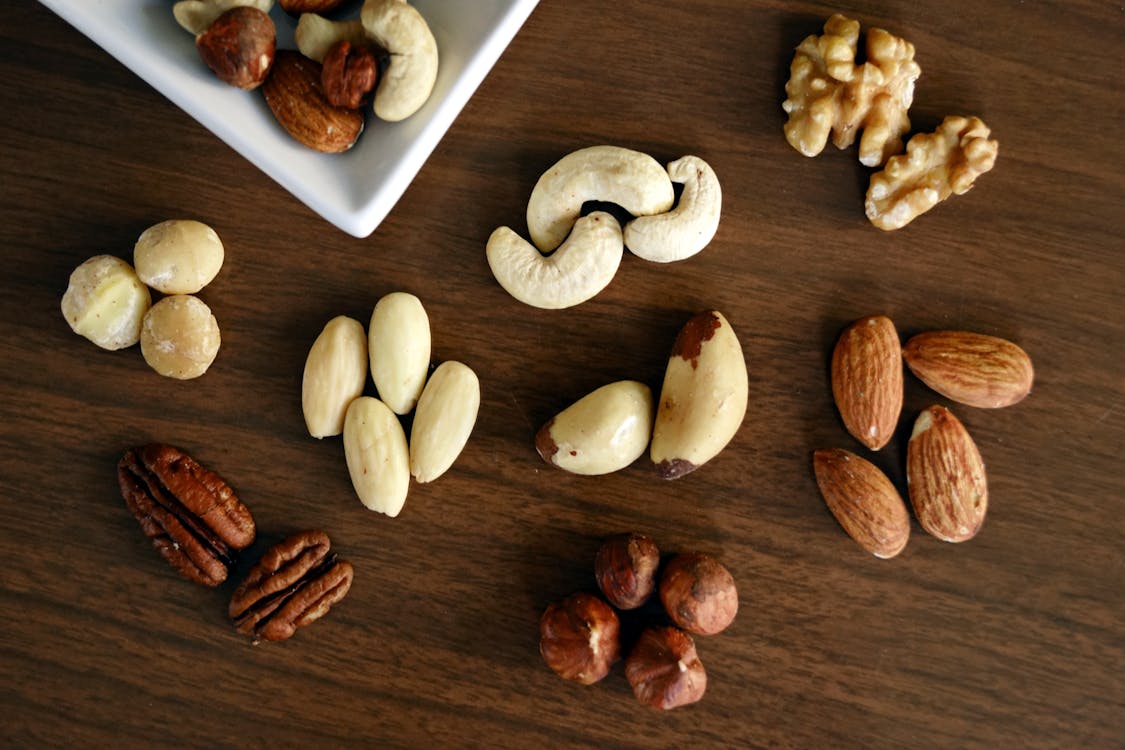
Nuts: Strictly speaking, a real nut is a dry fruit with a single seed that is produced by a certain kind of flowering plant. A single seed has a hard shell around it, and the kernel inside is what is edible. Almonds, walnuts, hazelnuts, pecans, and cashews are a few examples.
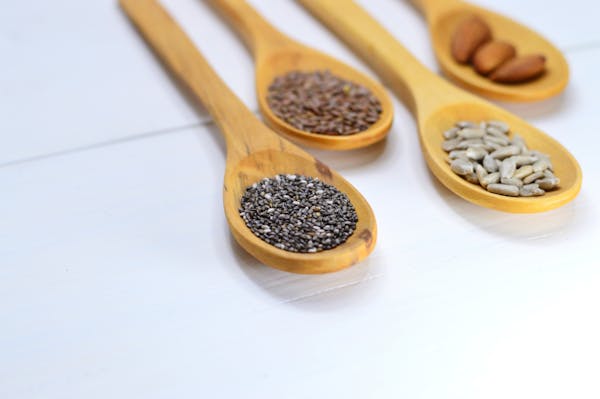
Plants reproduce through seeds, which house the embryo and endosperm, which serves as sustenance for the growing seedling. They can have a hull, shell, or pod covering them, and they vary widely in size and form. Chia seeds, flaxseeds, pumpkin seeds, sunflower seeds, and hemp seeds are a few examples.
Let's examine the basic botanical distinction between nuts and seeds before getting into the specifics.
Nuts: Strictly speaking, a real nut is a dry fruit with a single seed that is produced by a certain kind of flowering plant. A single seed has a hard shell around it, and the kernel inside is what is edible. Almonds, walnuts, hazelnuts, pecans, and cashews are a few examples.
Plants reproduce through seeds, which house the embryo and endosperm, which serves as sustenance for the growing seedling. They can have a hull, shell, or pod covering them, and they vary widely in size and form. Chia seeds, flaxseeds, pumpkin seeds, sunflower seeds, and hemp seeds are a few examples.
Important lessons learned:
A single seed (kernel) is encased in a hard shell in nuts, however seeds can have other coverings or not be solitary.
While seeds come from an ovary with several ovules, nuts usually develop from a single ovule.
Unlocking the Nutritious Code
Let's now explore the supernutrients found in nuts and seeds:
Good Fats:
Nuts and seeds are great providers of heart-healthy fats that are essential for brain and cell development as well as heart health. Their differences in fat composition are minor, though:
Nuts: Typically include higher levels of mono- and polyunsaturated fats, which support normal cholesterol levels and lower the risk of heart disease. Some of the best examples include macadamia nuts, walnuts, and almonds.
Omega-3 fatty acids, especially ALA (alpha-linolenic acid), are frequently more abundant in seeds. As the body transforms ALA
A single seed (kernel) is encased in a hard shell in nuts, however seeds can have other coverings or not be solitary.
While seeds come from an ovary with several ovules, nuts usually develop from a single ovule.
Unlocking the Nutritious Code
Let's now explore the supernutrients found in nuts and seeds:
Good Fats:
Nuts and seeds are great providers of heart-healthy fats that are essential for brain and cell development as well as heart health. Their differences in fat composition are minor, though:
Nuts: Typically include higher levels of mono- and polyunsaturated fats, which support normal cholesterol levels and lower the risk of heart disease. Some of the best examples include macadamia nuts, walnuts, and almonds.
Omega-3 fatty acids, especially ALA (alpha-linolenic acid), are frequently more abundant in seeds. As the body transforms ALA
Nuts: Are an excellent source of plant-based protein, which is why vegetarians and vegans love them. Almonds, pistachios, and peanuts (which are truly legumes) have the highest protein concentration.
Seeds: Although some seeds, including hemp and pumpkin seeds, offer a reasonable amount of protein, overall, the protein content of seeds is typically lower than that of nuts.
Fibre Insanity:
Seeds are frequently the greatest option when it comes to fibre content. Rich sources of dietary fibre that promote gut health and facilitate digestion include pumpkin, chia, and flaxseeds.
Nuts: Although they don't have as much fibre as certain other seeds, nuts nonetheless have a big impact. Almonds and pistachios are great options for those seeking for high-fiber nuts.
Check out this 180 days free solution to reduce weight even faster
Vitality of Vitamins:
Nuts: A variety of nuts, such as almonds and hazelnuts, are good sources of vitamin E and B vitamins (thiamine and riboflavin).
Seeds: You can increase your daily vitamin intake by eating seeds. Chia seeds provide some B vitamins while sunflower seeds are a rich source of vitamin E.
An Overview of Antioxidants
Nuts and seeds are abundant in antioxidants, which are substances that fight against free radicals in the body, shielding cells from harm and lowering the chance of developing chronic illnesses. When it comes to antioxidant content, walnuts and pecans rank highest among nuts, while chia and flaxseeds are the top seeds.
Nuts: A variety of nuts, such as almonds and hazelnuts, are good sources of vitamin E and B vitamins (thiamine and riboflavin).
Seeds: You can increase your daily vitamin intake by eating seeds. Chia seeds provide some B vitamins while sunflower seeds are a rich source of vitamin E.
An Overview of Antioxidants
Nuts and seeds are abundant in antioxidants, which are substances that fight against free radicals in the body, shielding cells from harm and lowering the chance of developing chronic illnesses. When it comes to antioxidant content, walnuts and pecans rank highest among nuts, while chia and flaxseeds are the top seeds.
A Few Thoughts and Application in Culinary
The Great Debate on Taste:
Nuts and seeds are incredibly diverse in terms of flavour and texture. Nuts have a variety of flavours, ranging from the earthy nuttiness of almonds to the creamy richness of cashews. Conversely, seeds come in a variety of flavours, from the subtle nutty flavour of sunflower seeds to the slightly bitter crunch of flaxseeds. In the end, taste is a personal thing, and each group has its ardent supporters.
Controlling Portion Size Is Essential:
Nuts and seeds are rich sources of nutrients, but they are also high in calories. Restraint
The Great Debate on Taste:
Nuts and seeds are incredibly diverse in terms of flavour and texture. Nuts have a variety of flavours, ranging from the earthy nuttiness of almonds to the creamy richness of cashews. Conversely, seeds come in a variety of flavours, from the subtle nutty flavour of sunflower seeds to the slightly bitter crunch of flaxseeds. In the end, taste is a personal thing, and each group has its ardent supporters.
Controlling Portion Size Is Essential:
Nuts and seeds are rich sources of nutrients, but they are also high in calories. Restraint



0 Comments