
Walking is a fantastic way to improve your overall health and fitness. But when it comes to weight loss, many people wonder whether it's better to walk on an empty stomach or after a meal. Let's explore the pros and cons of both approaches.
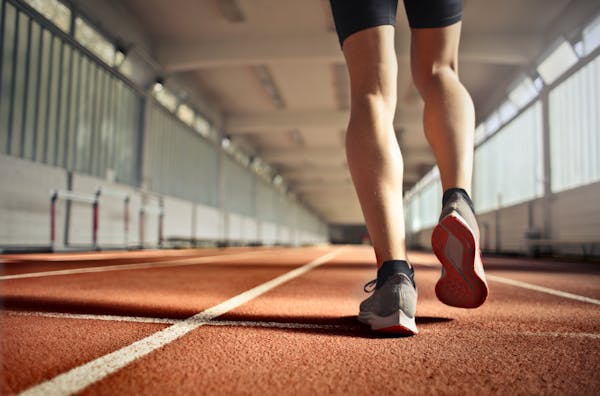
Empty Stomach Walk
Pros:
- Increased fat burning: Some studies suggest that walking on an empty stomach might lead to increased fat burning, as your body may rely more on stored fat for energy.
- Improved insulin sensitivity: Walking on an empty stomach can help improve insulin sensitivity, which is important for managing blood sugar levels and preventing type 2 diabetes.
Cons:
- Risk of discomfort: If you're not accustomed to exercising on an empty stomach, you may experience nausea, dizziness, or weakness.
- Reduced energy levels: Walking on an empty stomach can sometimes lead to reduced energy levels, making it difficult to maintain a consistent pace.
Post-Meal Walk
Pros:
- Increased energy: Walking after a meal can provide a boost of energy, making it easier to complete your workout.
- Improved digestion: Walking can aid digestion and prevent bloating or discomfort after eating.
- Better overall health: Regular physical activity, regardless of when you do it, is beneficial for overall health and well-being.
Cons:
- Reduced fat burning: Some studies suggest that walking immediately after a meal might not be as effective for fat burning as walking on an empty stomach.
- Risk of discomfort: If you eat a heavy meal, walking too soon afterward can cause discomfort or heartburn.
Which is Better?
The best approach ultimately depends on your individual preferences and tolerance. If you're new to exercise or have sensitive digestion, it might be better to start with post-meal walks. As you become more accustomed to physical activity, you can gradually experiment with walking on an empty stomach.
Key Considerations:
- Listen to your body: If you experience any discomfort or dizziness, stop walking and rest.
- Stay hydrated: Drink plenty of water before, during, and after your walk.
- Choose a suitable time: Find a time of day that works best for your schedule and energy levels.
- Combine with other activities: For optimal weight loss, consider incorporating other forms of exercise, such as running, swimming, or strength training, into your routine.
Conclusion
Both empty stomach walks and post-meal walks can be effective for weight loss. The key is to find a routine that works for you and stick with it. Remember, consistency is more important than timing when it comes to achieving your fitness goals.



0 Comments